
Yes, foreigners can buy property in Phuket, and many thousands already have. But Thai law treats condos and land very differently, so what you can own depends on the type of property. This guide gives the short answer for each type and the points to check.
01The short answer
- Condo: yes, freehold, in your own name, as long as the building's foreign quota is not full.
- Villa or house: you can own the building, but not the land. The land is usually held on a registered lease or through another legal structure.
- Land: no, not directly, except in a rare investment route that very few people use.
02Condos: freehold ownership
A condo unit is the simplest property a foreigner can own in Thailand. The unit is registered in your name at the Land Office and can be sold or left to your heirs.
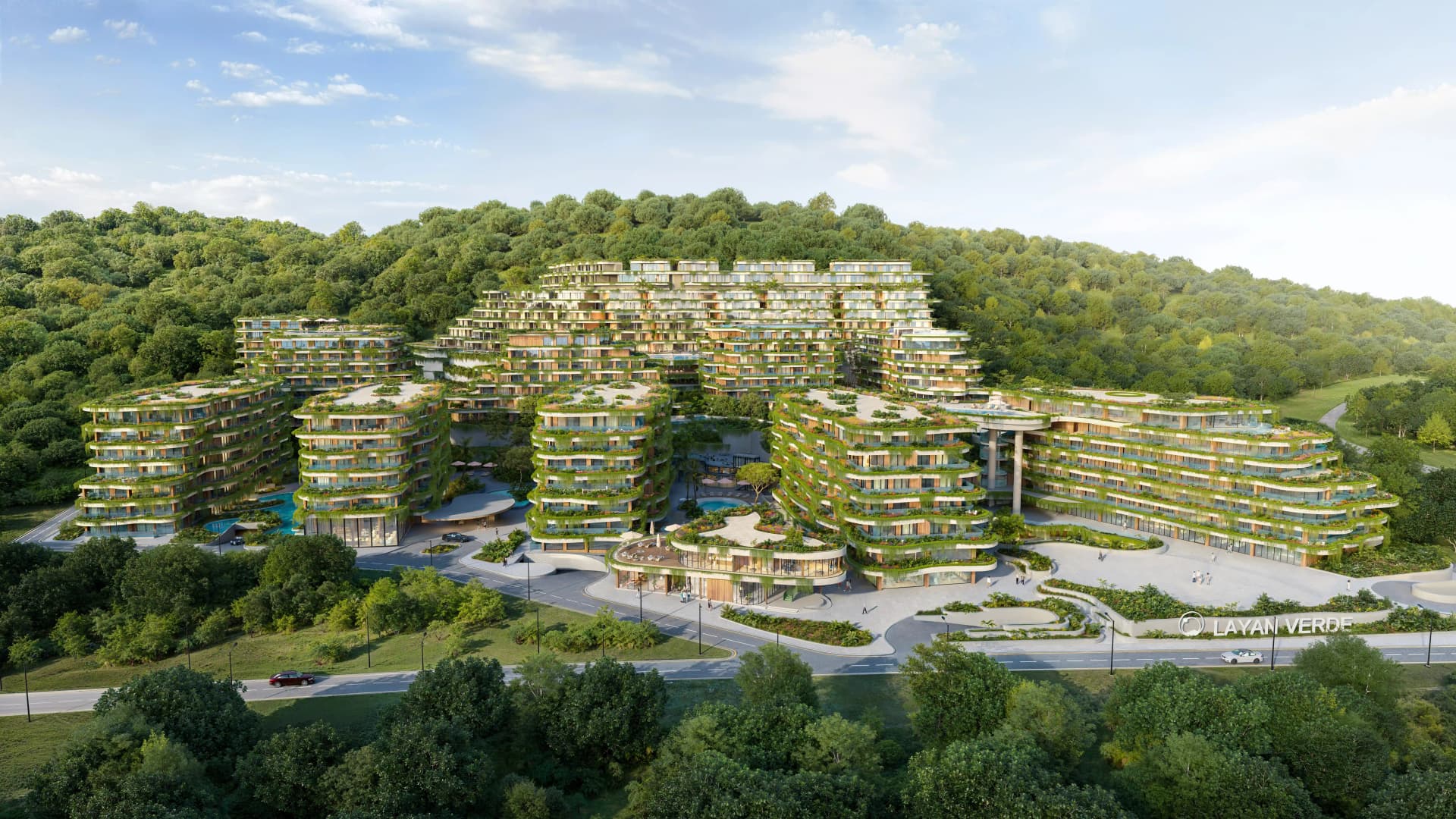
The main rule is the foreign quota. Foreigners together may own up to 49% of the total floor area of a condominium building. In popular Phuket buildings near Bang Tao, Layan or Kata, the foreign quota can sell out quickly, so ask the developer how much quota is left before you reserve.
To register a freehold unit, the purchase money must come from abroad in foreign currency. The bank issues a form, usually called a Foreign Exchange Transaction form, which the Land Office asks for at transfer. Keep every transfer document.
If the foreign quota is full, some buildings offer units on a long lease instead. This works, but it is a different right from freehold, so the price should reflect it.
03Villas and houses: leasehold and other structures
Thai law does not allow foreigners to own land in their own name. Because of this, villas in Phuket are usually sold in one of these ways:
- Leasehold: the land is leased to you for up to 30 years, registered at the Land Office. Contracts often promise renewals, but only the first 30 years are registered.
- Building ownership: the villa itself can be registered in your name, while the land is leased. This is often described as leasehold land with a freehold villa.
- Thai company: a company owns the land and a foreigner holds up to 49% of the shares. The Thai shareholders must be genuine; nominee shareholders are illegal.
- Usufruct or superficies: registered rights to use the land or to own buildings on it, for a fixed period or for life.
We explain these options in more detail in our guide to villa ownership on LuxuryPhuketVillas.com.
04What foreigners cannot do
- Own land in their own name.
- Use nominee Thai shareholders to hold land through a company.
- Get a residence visa just by buying property. Owning a condo or villa does not give you the right to live in Thailand; visas are a separate matter.
05What to check before buying in Phuket
- For a condo: the foreign quota still available, the building permit, the environmental approval for larger projects and the developer's record.
- For a villa: the land title deed (a Chanote is the strongest), who owns the land, what is registered in your name and for how long.
- That the contract is in a language you understand and has been reviewed by an independent lawyer.
- How the money will be transferred into Thailand and which documents the bank will give you.
06Is Phuket a good place to buy?
Phuket has the largest choice of new condos and villas in Thailand, international schools and hospitals, and an airport with direct flights to Asia, the Middle East and Europe. Demand from holiday and long-stay tenants is strong, especially around Bang Tao, Layan, Kata and Rawai. Prices and rental results vary a lot between areas and projects, so compare carefully.
This guide is general information, not legal or tax advice. Rules, fees and bank requirements change, so check the details of your own purchase with a licensed Thai lawyer before you sign or pay.